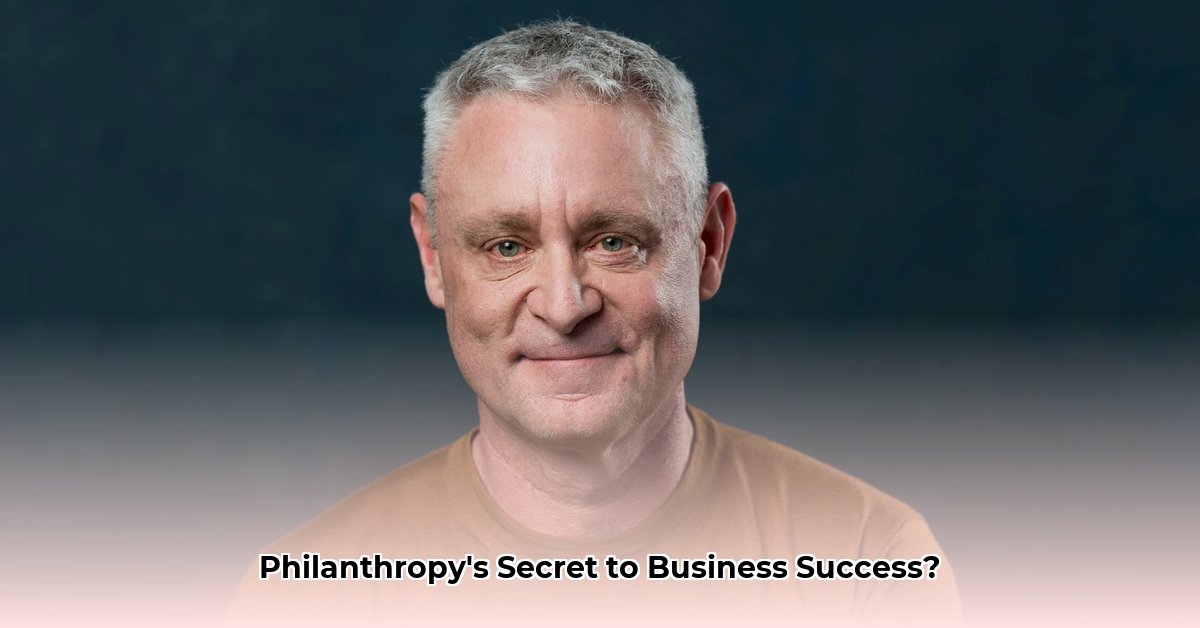
A Case Study in Synergistic Growth
Ed Mitzen's journey transcends the typical narrative of entrepreneurial success. He's not just amassed significant wealth; he's redefined the relationship between business acumen and impactful philanthropy, creating a synergistic model where both flourish. This case study examines how his unique approach, interwoven into the fabric of his advertising agency Fingerpaint and formalized through the Business for Good Foundation, generates a "multiplier effect," benefiting both the bottom line and the communities he serves. It explores the strategies he employed, the challenges encountered, and the potential for replication by other businesses.
Fingerpaint's Ascent: A People-First Philosophy
Ed Mitzen's entrepreneurial journey began with the founding of Fingerpaint, an advertising agency that quickly distinguished itself through a unique focus on employee well-being. This wasn't a mere HR policy; it was a core business strategy. Fingerpaint's growth is demonstrably linked to cultivating a culture of empowerment and loyalty. This commitment is reflected in initiatives such as a $4 million employee loan forgiveness program, a bold investment that bolstered employee retention and morale, directly impacting productivity and long-term success. The financial returns of this strategy far surpass the initial investment, highlighting the powerful connection between employee well-being and business performance. How else could a company achieve such remarkable growth without a parallel focus on its most valuable asset – its people?
The Business for Good Foundation: Impact Beyond the Balance Sheet
Mitzen's commitment extends beyond Fingerpaint's internal culture. He established the Business for Good Foundation, which actively supports and engages with the communities where Fingerpaint and its employees operate. This isn't about writing large checks; it's about strategic investment and active participation. The Foundation fosters a sense of shared responsibility among employees, encouraging direct involvement in local philanthropic initiatives. Through this, Mitzen has fostered a culture where employees feel intrinsically connected to the positive impact of their work, further fueling company loyalty and productivity. The resulting increase in employee engagement and retention translates to improved financial performance and sustained growth.
Analysis: The Multiplier Effect of Integrated Philanthropy
Mitzen's approach embodies a "multiplier effect." His initial investments in employee well-being and community engagement yield exponential positive returns, exceeding the direct financial contributions. This isn't simply charitable giving; it's a strategic approach to business that recognizes the interconnectedness of social responsibility and financial success. His substantial donations, which total millions of dollars, are not merely philanthropic acts. Instead, they are strategic investments that cultivate strong community relationships, enhance brand reputation and even attract and retain top talent. Isn't it fascinating how these seemingly disparate goals work in such perfect harmony?
Replicating the Model: Challenges and Opportunities
While replicating Mitzen's specific model may require adaptation to individual circumstances, several core principles are transferable:
Prioritize Employee Well-being: Invest in your employees' well-being through comprehensive benefits and support, fostering loyalty and enhancing productivity. This investment pays off exponentially in terms of retention, morale and output.
Integrate Community Engagement: Incorporate community engagement into your core business strategy, actively participating in local initiatives and fostering strong relationships with the surrounding community. This builds a positive brand image and enhances the company's long-term sustainability.
Cultivate a Culture of Giving: Encourage employee involvement in philanthropic activities, fostering a sense of shared purpose and responsibility. This shared sense of purpose can translate to heightened employee motivation and productivity.
Measure and Evaluate Impact: Develop metrics to quantify both financial and social impact, demonstrating the effectiveness of this integrated approach and attracting further investment. This data-driven approach allows for informed decision-making and continuous improvement.
Embrace Long-Term Commitment: Sustainable and impactful philanthropy requires a long-term vision and unwavering commitment. Long-term success relies on sustained dedication and active engagement.
Conclusion: A New Paradigm for Business Success
Ed Mitzen demonstrates that true business success encompasses financial profitability and positive social impact. His model challenges the conventional view of corporate social responsibility, reframing it as a core business strategy. By prioritizing employee well-being and actively engaging with the community, he has created a synergistic model where both business success and positive social change are mutually reinforcing. His journey proves that doing good is not only ethically sound, but also financially rewarding. His legacy serves as a powerful example for those seeking a more meaningful and sustainable approach to business success.